Wayfinding Signage for Trails That Improves Visitor Safety
June 24, 2026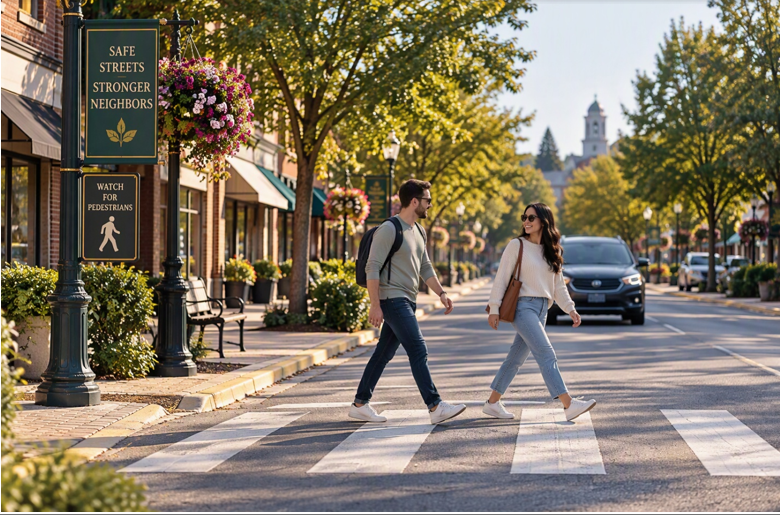
Signage is an essential part of every community. While signs may seem like a simple feature of the streetscape, clear and properly placed signage plays an important role in public safety, navigation, emergency response, and traffic management.
From residential neighborhoods and HOAs to municipalities and commercial developments, well-designed signage helps drivers, pedestrians, visitors, and emergency personnel understand where they are and where they need to go.
Clear Signage Helps People Navigate Safely
One of the most important functions of signage is helping people identify their location and find their destination. When signs are clearly displayed and easy to read, drivers and pedestrians can make decisions earlier and navigate intersections, roads, entrances, and community spaces with greater confidence. This is especially important in unfamiliar areas where people may otherwise slow suddenly, make last-minute turns, or become distracted while searching for a destination.
Signs that are faded, damaged, obstructed, or difficult to read can make navigation more challenging.
Consistency & Standardization Improve Readability
Consistency is an important part of effective community signage. Standardizing the way street names and other information are displayed can make signs easier to recognize and read, particularly for drivers and first responders who may need to locate a specific street quickly.
When producing street signage, we maintain consistency in fonts, letter sizes, spacing, and placement of characters. This creates a uniform appearance while helping important information remain clear and legible throughout a community.
Standardization can also apply to the way street names are abbreviated. Using a consistent approach for terms such as Road (RD), Circle (CIR), Trail (TRL), Drive (DR), and Boulevard (BLVD) helps eliminate unnecessary variation and makes street names easier to interpret.
HOAs and communities can choose the fonts and design styles that best fit their property. However, we recommend establishing a standard and typically default to a consistent signage system unless otherwise directed by the customer. This allows communities to maintain their desired aesthetic while still benefiting from a clear and organized approach to signage.
Signage Supports Emergency Response
During an emergency, every second can matter. Police officers, firefighters, paramedics, and other emergency personnel rely on clear signage to navigate communities and locate homes, businesses, amenities, and other destinations quickly.
Consistent street names, directional signs, building identification, and other wayfinding signage can help emergency responders understand the layout of a property and reach their destination efficiently.
Visibility Matters
A sign is only useful if people can see and read it. Factors such as weather, sunlight, landscaping, dirt, corrosion, fading, and physical damage can affect a sign’s visibility over time. Trees and other landscaping can also grow around signs and eventually obstruct important information.
Regular inspections can help identify signage that needs to be cleaned, repaired, repositioned, or replaced.
Communities should consider checking:
- Sign visibility from approaching traffic
- Legibility of lettering and symbols
- Damage or corrosion
- Fading or deterioration
- Obstructions from trees and landscaping
- Proper placement and mounting
- Consistency throughout the community
- Standardization of fonts, lettering, and abbreviations
Consistency Creates a Safer & More Organized Community
When signage throughout a neighborhood or development uses consistent colors, lettering, sizes, mounting systems, and placement, signs become easier to recognize and understand.
For HOAs and property managers, maintaining consistent signage can also help create a more organized and cohesive appearance throughout the community.
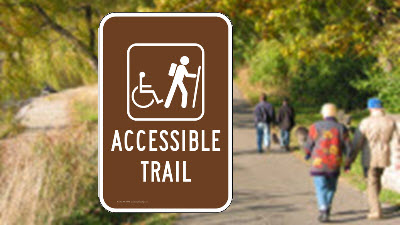
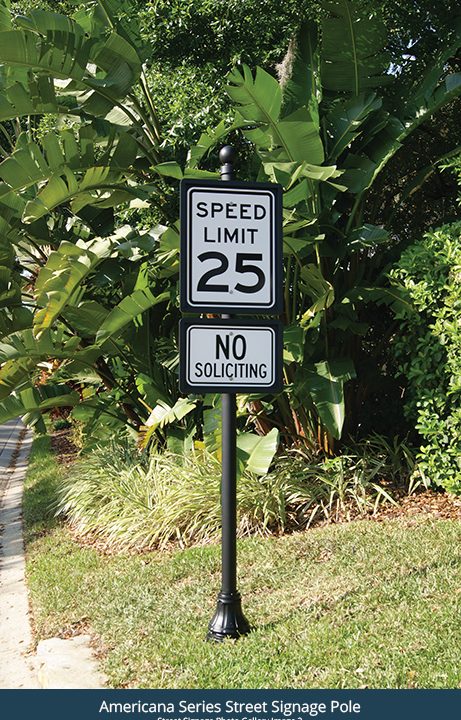
A comprehensive signage program can include much more than street names. Directional signs, stop signs, speed limit signs, parking signs, entrance signs, pedestrian signage, and amenity signs can all work together to create a clearer environment for residents and visitors.
Signage is exposed to the elements year after year. Choosing durable materials and quality finishes can help signs withstand everyday exposure to sun, rain, snow, wind, and other environmental conditions.
A proactive signage program can help communities identify potential issues before they become larger problems and ensure that important information remains visible to the people who depend on it.
More Than Just a Sign
Signage may not always be the largest feature in a community, but it serves an important purpose. It helps people navigate, supports emergency response, improves traffic awareness, and provides essential information throughout neighborhoods and developments.
Maintaining signage that is visible, legible, consistent, and well-maintained is a meaningful part of creating a safer and more organized community.
Whether you’re planning a new development, updating an existing neighborhood, or preparing your community’s next maintenance budget, taking a consistent and standardized approach to signage can help improve both the appearance and functionality of the community.